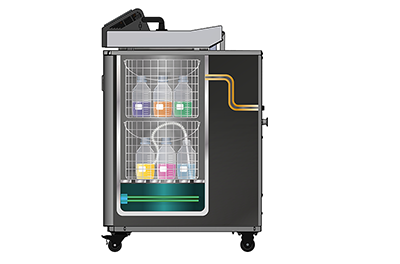
Diagram 1: The Key Parts of a Classic Autoclave.
This diagram highlights the key components of an autoclave, illustrating the essential components for the sterilization process.
This example features an Astell
AMA440
Compact Top-Loading Autoclave. Front-loading
benchtop versions
are also available.
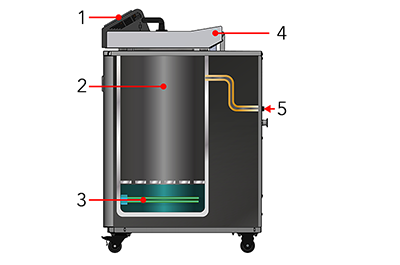
- Control Computer
- Chamber
- Heater
- Chamber Door
- Exhaust
Diagram 2: Loading the autoclave.
The chamber door is opened, and baskets filled with items requiring sterilization are loaded into the chamber.
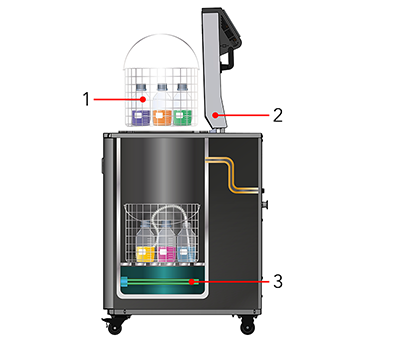
- Basket is lowered into the chamber
- Chamber door is unlocked and opened
- Water is refilled
Diagram 3: Heating and air removal.
The autoclave switches on its heater, which heats the water and generates steam. The exhaust valve is opened, allowing the steam to force air out of the chamber and through the exhaust outlet.
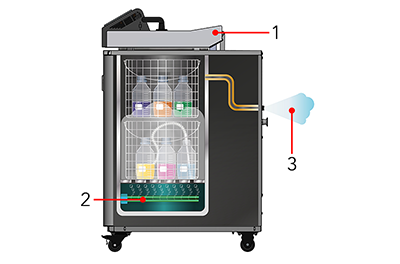
- Chamber Door is closed and locked
- Heater is switched on
- Air is forced out of the Chamber
Diagram 4: Pressurization and sterilization.
Once all the air has been expelled from the chamber, the exhaust valve is shut. At this point, the steam being generated
has nowhere to escape, causing the pressure inside the chamber to rise.
As the pressure increases, the steam exerts force on the water, requiring the water molecules to absorb more heat energy
to convert into steam. As the water continues to be heated, steam is produced at temperatures exceeding 100°C.
When the temperature surpasses 121°C, the items in the chamber begin to undergo sterilization. At this temperature,
sterilization requires a minimum of 15 minutes. At higher temperatures, the sterilization process is faster.
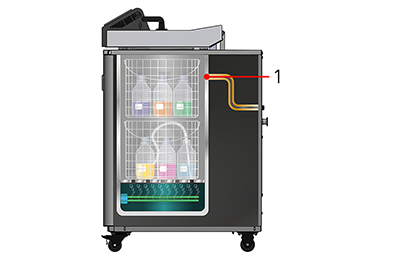
- Valve is shut
Diagram 5: Cooling.
As the chamber cools, the pressure inside drops to match the external environment. Once cooling is complete, the chamber door can be safely opened, and the sterilized items can be removed.

Learn more with Astell Articles
With over 140 years of experience in autoclave manufacturing, Astell understands steam sterilization inside and out. Explore expert insights, guides and technical knowledge in the Astell Articles Archive.

Did you find what you were looking for?
If you couldn't find out what you need to know, why not leave us a message?
Please review our Privacy Policy for how we use your data.