The Astell Classic, Ecofill, and Ecofill Dry Autoclaves
While the autoclave machines in the Plug and Play range—specifically the tabletop AMB Benchtop Autoclave series and the floor-mounted AMA Compact Toploading Autoclave series—have fewer available options than their larger counterparts, they are offered in several variants where their basic hardware exhibits fundamental differences with significant implications.
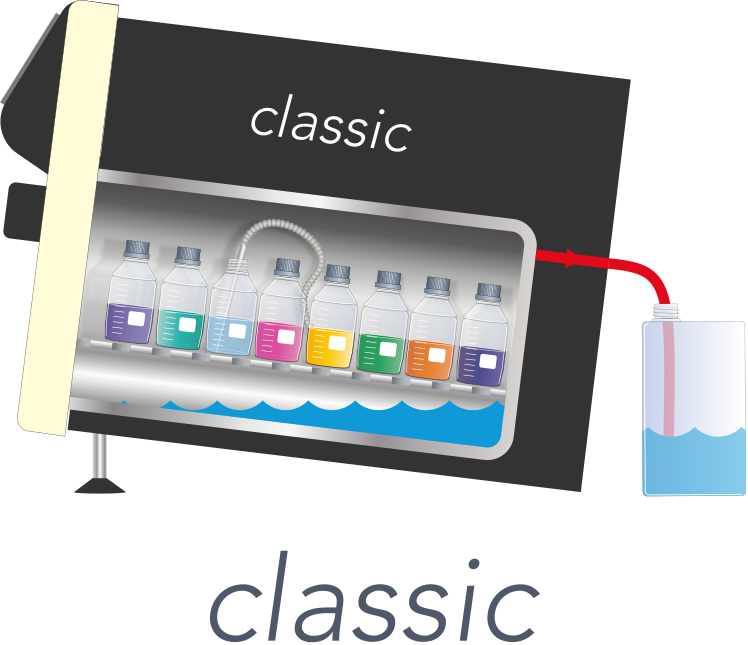
The Classic is the simplest variant. To fill it, water is poured directly into the autoclave sterilization chamber, triggering an alert cancellation on the control computer display when full. During autoclave operation, condensate needs to be ejected from the system through a port at the rear of the device. Typically, this condensate is collected in a condensate bottle or channeled via a hose to a workbench sink or the nearest drain. Before each new sterilization cycle, the autoclave requires refilling with water. If a condensate bottle is used, its level must be monitored and emptied as needed.
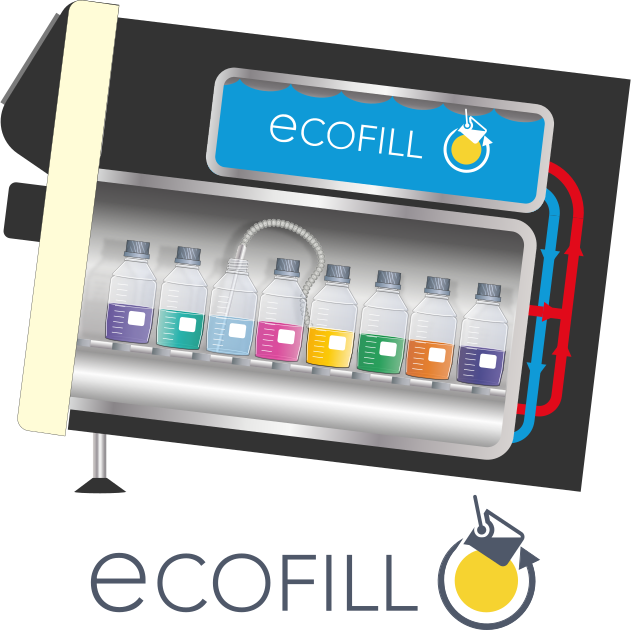
The Ecofill variant reduces the regular refilling requirement of the Classic system and eliminates the need to dispose of condensate. The Ecofill system includes a reservoir tank that supplies water to the autoclave chamber as needed and stores it externally when not in use. This process significantly reduces the demand for autoclave water refilling by 93%, as well as cutting cycle times by up to 35% and saving 191.48 kJ of energy per cycle. However, this comes at the cost of losing the Containment Level 3 / Biosafety Level 3 compatibility that the Classic variant offers.
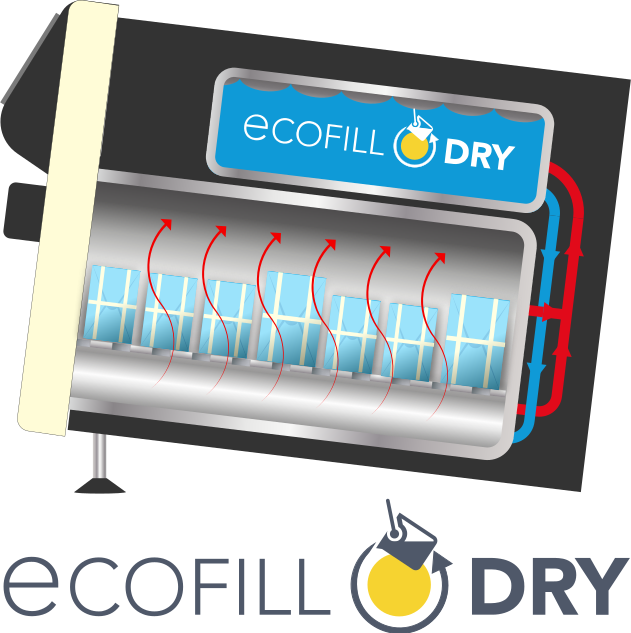
Users of Ecofill units alongside Classic autoclaves often note the minimal volume of condensate that exits the autoclave when the door is opened, as well as the dryer state of the sterilized load. The Ecofill Dry variant builds on this capability for drier loads, enabling the drying of wrapped items commonly used in the healthcare sector, such as wrapped surgical packs, autoclavable peel packs, and sterilization pouches. Hot filtered air circulates within the autoclave chamber once the sterilization process is complete, ensuring that the load is dry before the autoclave door is opened. Since surgical packs, peel packs, and sterilization pouches exhibit greater resistance to microorganisms when dry, ensuring their dryness before opening the sterile environment created inside the autoclave is highly beneficial in maintaining the sterility of items contained within the packs.
Comparison of the Classic, Ecofill, and Ecofill Dry Autoclaves
The below table illustrates the differences between the three variants of the AMB Front-loading Benchtop Autoclave range. The AMA Compact Top-loading Autoclave comes as both Classic and Ecofill variants, but not Ecofill Dry.
|
Classic | Ecofill | Ecofill Dry | |
|
Compatible Load Types
|
||||
|
Instruments
|
●
|
●
|
●
|
|
|
Glassware
|
●
|
●
|
●
|
|
|
Liquids
|
●
|
●
|
|
|
|
Growth Media
|
●
|
●
|
|
|
|
Simple Discard and Waste
|
●
|
●
|
|
|
|
Complex Discard and Waste*
|
●
|
●
|
|
|
|
Wrapped Surgical Packs
|
|
|
● | |
|
Wrapped Instruments
|
|
|
● | |
|
Peel Packs and Sterilization Pouches
|
|
|
● | |
|
Containment Level 3 (CL3) Materials*
|
●
|
|
|
|
|
BioSafety Level 3 (BSL3) Materials*
|
● |
|
|
|
| Convenience and Efficiency Features | ||||
| No plumbing required | ●
|
●
|
●
|
|
|
Domestic power only required
|
●
|
●
|
●
|
|
| Simple touchscreen operation | ●
|
●
|
●
|
|
| Easy water filling |
|
●
|
●
|
|
| 93% Less water filling required |
|
●
|
●
|
|
| No wastewater disposal |
|
●
|
●
|
|
| Energy Saving Features | ||||
| Minimized heated water volume | ●
|
●
|
●
|
|
| Maximized water heating speed | ●
|
●
|
●
|
|
| Energy saving programming in control computer
|
●
|
●
|
●
|
|
| Water recycling |
|
●
|
●
|
|
| Heat recycling |
|
●
|
●
|
|
* with additional optional upgrades
Now Find Out More
Investigate each range more by following the links to each below
The Classic Autoclaves
Now In Stock!
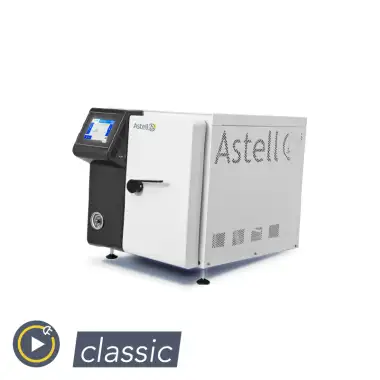
AMB Classic Benchtop Autoclave (33–63 L)
Three benchtop sizes with liquid-processing and vacuum options. Optional CAT III filter for CL3/BSL3 waste. Selected models are available for next-day-delivery or 10-day dispatch.
Now In Stock!
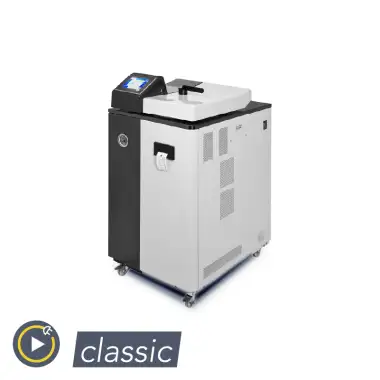
AMA Compact Classic Top-Loading Autoclave (63 L)
A compact top-loader with liquid-processing and vacuum options. Optional CAT III filter for CL3/BSL3 waste. Selected stocked configurations can be dispatched within 10 working days.
The Ecofill Autoclaves
Now In Stock!
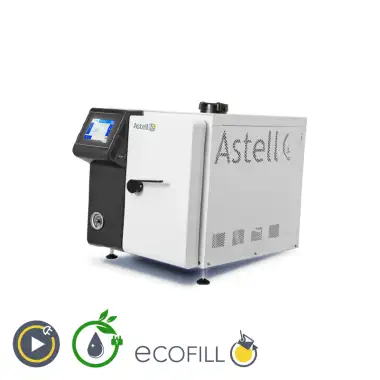
AMB Ecofill Benchtop Autoclave (33–63 L)
Three benchtop sizes with Ecofill water and heat recovery. Liquid-processing and vacuum options are available. Choose Classic with a CAT III filter for CL3/BSL3 waste. Selected models are available for next-day delivery or 10-day dispatch.
Now In Stock!
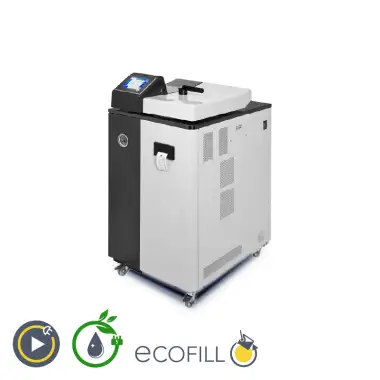
AMA Compact Ecofill Top-Loading Autoclave (63 L)
A compact top-loader with Ecofill water and heat recovery. Liquid-processing and vacuum options are available. Choose Classic with a CAT III filter for CL3/BSL3 waste. Selected models are available for next-day-delivery or 10-day dispatch.
The Ecofill Dry Autoclaves
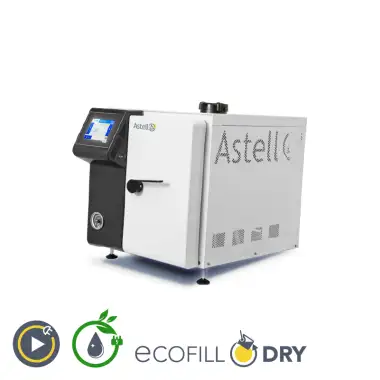
AMB-D Ecofill Dry Benchtop Autoclave (33–63 L)
Three benchtop sizes designed to sterilize and dry wrapped instruments and packs. After sterilization, water returns to the Ecofill reservoir and hot filtered air dries the load. Not recommended for liquid loads.
