Η Astell βοηθά οργανισμούς να επιτυγχάνουν αποτελεσματική αποστείρωση με ατμό για περισσότερα από 140 χρόνια. Κατά τη διάρκεια αυτής της περιόδου — και ειδικότερα μέσω της επικύρωσης μηχανημάτων σε ένα ευρύ φάσμα εγκατεστημένων συστημάτων — έχουμε διαμορφώσει μια ασυνήθιστα ακριβή εικόνα του τι πραγματικά υποβάλλουν τα εργαστήρια στους αυτόκλειστές τους, αντί για αυτό που υποθέτουν οι προδιαγραφές. Το παρόν άρθρο παρουσιάζει αυτή την εικόνα σε ανώνυμη, συγκεντρωτική μορφή: πρώτα το γενικό πρότυπο και, στη συνέχεια, μια ανάλυση ανά τύπο εγκατάστασης που εκτελεί τις εργασίες.
Γιατί τα πραγματικά φορτία έχουν σημασία
Η επιλογή ενός αυτόκλειστου εξαρτάται από τα φορτία του, όχι από την ετικέτα του. Το να γνωρίζεις τι πραγματικά εισάγεται στους θαλάμους σε περισσότερα από εκατό πραγματικά εργαστήρια είναι η διαφορά μεταξύ του να καθορίζεις προδιαγραφές βάσει ενός σεναρίου από φυλλάδιο και του να καθορίζεις προδιαγραφές για την εργασία που έχεις μπροστά σου. Δύο πράγματα προκύπτουν από τα δεδομένα: υπάρχει ένας κοινός πυρήνας που μοιράζονται σχεδόν όλοι, και υπάρχει ένα ξεχωριστό χαρακτηριστικό για κάθε τύπο εγκατάστασης.
Ο κοινός πυρήνας
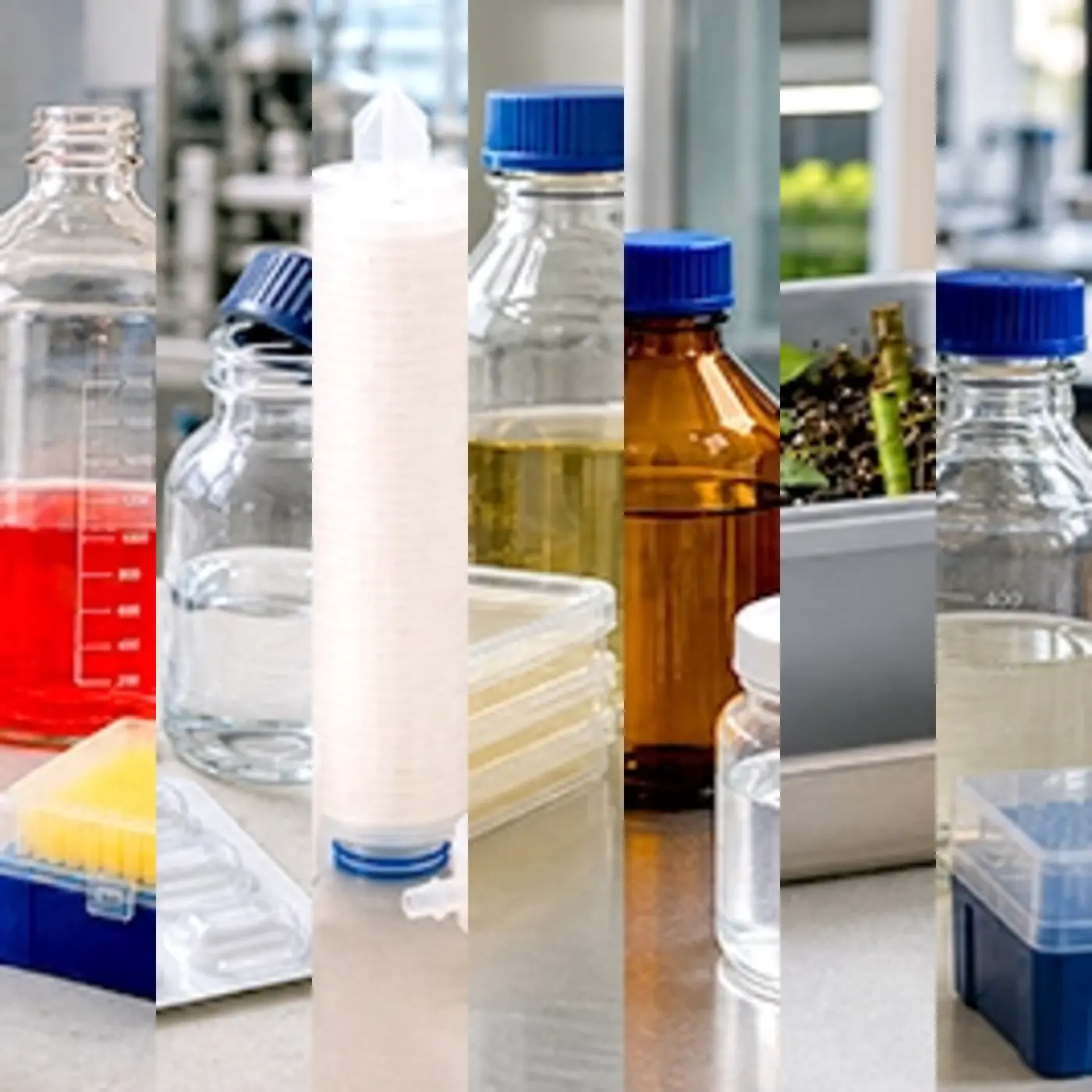
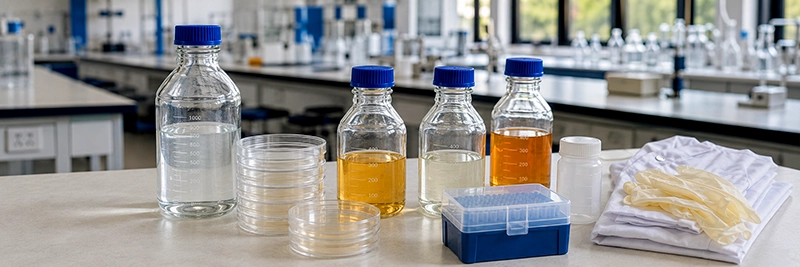
Με σαφή διαφορά, το πιο κοινό μεμονωμένο φορτίο παντού είναι το ταπεινό μπουκάλι Duran — τα μεγέθη των 500 ml και 1 λίτρου είναι τα καθημερινά «άλογα εργασίας» — που μεταφέρει έτοιμα μέσα καλλιέργειας, ζωμούς και νερό, συχνά γεμάτο μόνο εν μέρει. Ακολουθούν από κοντά τα τρυβλία και οι πλάκες Petri, μετά οι σωλήνες και τα φιαλίδια, τα γενικής χρήσης είδη και τα κουτιά με άκρες πιπετών: η ροή των αναλώσιμων για τη ρουτίνα της μικροβιολογίας και της κυτταροκαλλιέργειας. Και παράλληλα με όλα αυτά, υπάρχει η απολύμανση κατά την έξοδο — γάντια, εργαστηριακές ποδιές και χαρτομάντιλα συσκευασμένα σε σακούλες αποστείρωσης, πλαστικά απορρίμματα και αιχμηρά αντικείμενα. Αυτός ο πυρήνας είναι εξαιρετικά συνεπής από το ένα εργαστήριο στο άλλο.
Πού διαφέρουν οι εγκαταστάσεις: φορτία ανά τύπο εγκατάστασης
Πέρα από αυτόν τον πυρήνα, ο τύπος της εγκατάστασης διαμορφώνει τον φόρτο εργασίας — και, με τη σειρά του, το μηχάνημα. Οι παρακάτω συνοπτικές παρουσιάσεις δείχνουν το μοτίβο που προκύπτει από την επικυρωμένη εγκατεστημένη βάση. Οι μορφές αντανακλούν το τι λειτουργούν πραγματικά αυτές οι εγκαταστάσεις, όπως προκύπτει από τα δεδομένα συντήρησης· οι προτεινόμενες επιλογές αποτελούν τεχνικές οδηγίες και όχι καταμέτρηση. Ορισμένες καταχωρήσεις βασίζονται σε λίγες μόνο εγκαταστάσεις και επισημαίνονται αναλόγως.
Πανεπιστήμια και εκπαιδευτικά εργαστήρια
Συνηθισμένα φορτία: Μέσα και νερό σε Durans· τρυβλία και πλάκες Petri· κουτιά άκρων πιπετών· φιάλες Nalgene και φιάλες δειγμάτων· γάντια, ποδιές και χαρτομάντιλα ως απόβλητα.
Τυπικές μορφές: ευρύ φάσμα, συμπεριλαμβανομένης της φόρτωσης από πάνω, της φόρτωσης από μπροστά και της φόρτωσης από μπροστά με κενό, καθώς και επιτραπέζιων συσκευών για μικρότερα εργαστήρια.
Επιλογές που ταιριάζουν στην εργασία: Πολλαπλά αποθηκευμένα προγράμματα· απλή, επαναλαμβανόμενη λειτουργία για εναλλασσόμενους χρήστες· ψύξη προσαρμοσμένη στη διακίνηση των θρεπτικών μέσων.
Ερευνητικά κέντρα φυτών και γεωργίας
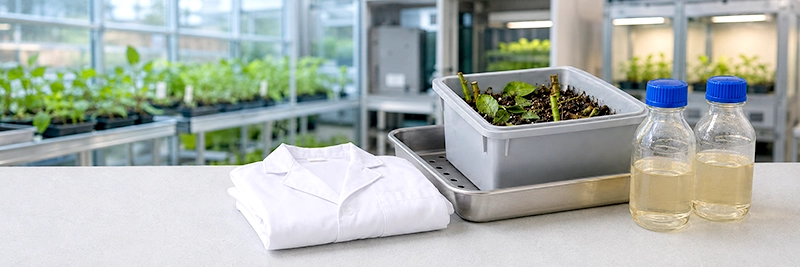
Συνηθισμένα φορτία: Πάνω απ’ όλα, χρησιμοποιημένο χώμα και φυτικά απόβλητα (συχνά σε ειδικά κουτιά ή κάδους), θρεπτικά μέσα σε δοχεία Durans, εργαστηριακές ποδιές και γενικά απόβλητα.
Συνηθισμένοι τύποι λειτουργίας: Μονάδες κενού με εμπρόσθια φόρτωση και κενού με ξήρανση — κυρίως μονάδες κενού.
Επιλογές που ταιριάζουν στην εργασία: Παλμική λειτουργία πριν και μετά το κενό για πυκνά φορτία· μανδύας θέρμανσης και ξήρανση για απορρίμματα σε σάκους· μεγάλος τετράγωνος θάλαμος για δίσκους και κουτιά χύδην υλικού.
Βιοϊατρική και έρευνα για τον καρκίνο
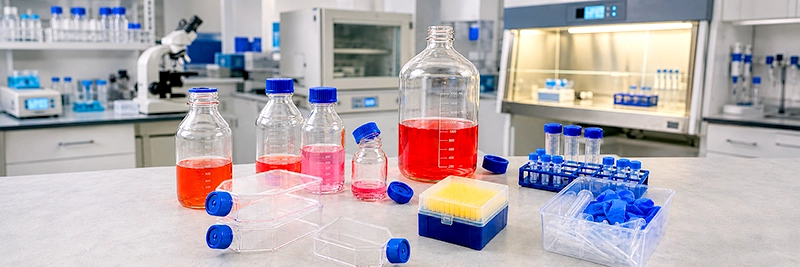
Συνηθισμένα φορτία: Μέσα καλλιέργειας και υγρά σε δοχεία Durans· φιάλες καλλιέργειας (συμπεριλαμβανομένων φιαλών 2 λίτρων)· σωληνάρια και φιαλίδια· κουτιά με άκρες· γάντια, εργαστηριακές ποδιές και πλαστικά απορρίμματα.
Συνηθισμένοι τύποι: Αποστειρωτές κενού με φόρτωση από πάνω, με φόρτωση από μπροστά και μεγάλοι τετράγωνοι αποστειρωτές κενού.
Επιλογές που ταιριάζουν στην εργασία: Αφαίρεση αέρα με κενό για μικτά φορτία· αποτελεσματική ψύξη υγρών· ειδικό πρόγραμμα απόρριψης.
Φαρμακευτική παραγωγή και CDMO
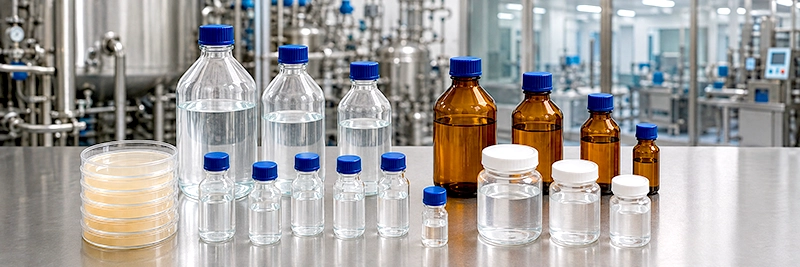
Συνηθισμένα φορτία: Κυρίως υγρά: μέσα καλλιέργειας και νερό σε δοχεία Durans και γενικής χρήσης σε διάφορους όγκους πλήρωσης· τρυβλία Petri.
Συνηθισμένοι τύποι: Με μπροστινή φόρτωση, κυρίως (μικρό δείγμα: περίπου 6 εγκαταστάσεις).
Επιλογές που ταιριάζουν στην εργασία: Χρονισμός με ανίχνευση φορτίου και ευέλικτοι αισθητήρες για υγρά· αποτελεσματική ψύξη· πλήρης εκτύπωση, ιστορικό ελέγχου και τεκμηρίωση για επικύρωση.
Φιλτράρισμα & βιοεπεξεργασία
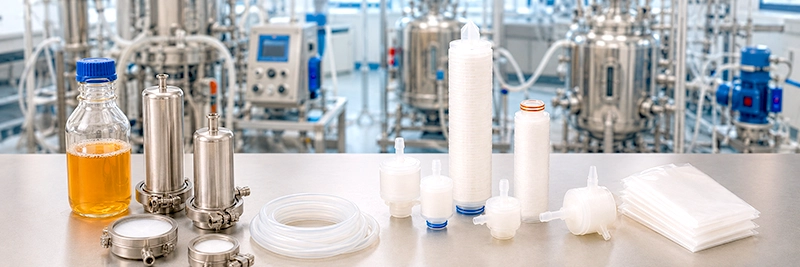
Συνηθισμένα φορτία: Φίλτρα κάψουλας, συγκροτήματα κασετών και περιβλημάτων, υποδοχείς δίσκων 47 mm και 142 mm, σωληνώσεις και σακούλες αποστείρωσης· θρεπτικά μέσα TSB σε δοχεία Durans.
Συνηθισμένα μεγέθη: Μεγάλοι τετράγωνοι αποστειρωτές κενού, καθώς και επιτραπέζιοι (μικρό δείγμα: περίπου 5 εγκαταστάσεις).
Επιλογές κατάλληλες για την εργασία: Παλμική εφαρμογή κενού πριν και μετά για σύνθετα συγκροτήματα· ξήρανση με κενό και μανδύα· τεκμηρίωση επικύρωσης.
Ποιοτικός έλεγχος τροφίμων και ποτών
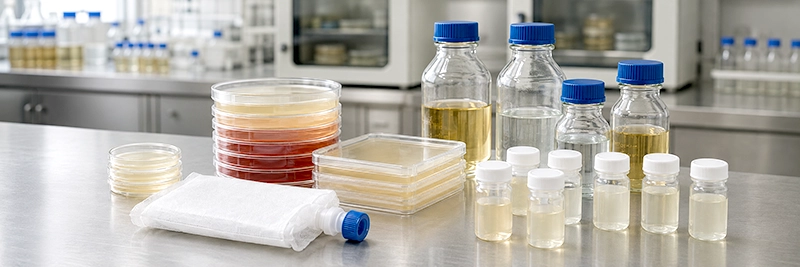
Συνηθισμένα φορτία: Μέσα και υγρά δείγματα σε Durans· πλάκες και τρυβλία Petri· φιάλες δειγμάτων· στερι-σακούλες με φίλτρο.
Συνηθισμένες μορφές λειτουργίας: Φόρτωση από μπροστά και επιτραπέζια (μικρό δείγμα: περίπου 3 θέσεις).
Επιλογές που ταιριάζουν στην εργασία: Συμπαγής κατασκευή· ψύξη προσαρμοσμένη στον τακτικό έλεγχο ποιότητας· αποθηκευμένα προγράμματα για θρεπτικά μέσα και απόρριψη.
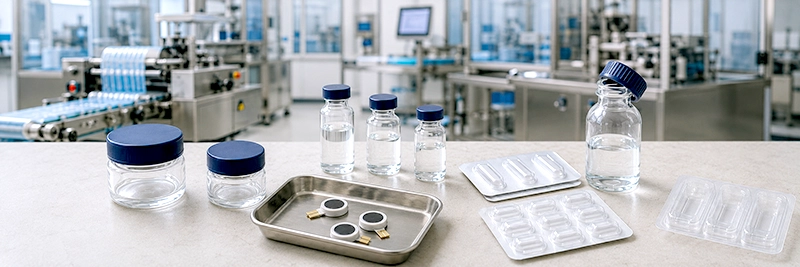
Παραγωγή συσκευών και προϊόντων προσωπικής φροντίδας
Συνηθισμένα φορτία: Μικρά φιαλίδια και δοχεία, συχνά γεμάτα με αλατούχο διάλυμα· blister και εξαρτήματα αισθητήρων· δίσκοι· υγρά σε δοχεία Durans.
Συνηθισμένοι τύποι φόρτωσης: Κυρίως επιτραπέζια, με μερικά μεγάλα τετράγωνα κενά (μικρό δείγμα: περίπου 7 θέσεις).
Επιλογές που ταιριάζουν στην εργασία: Προγράμματα για υγρά και καταστροφή αποβλήτων· χρονισμός με ανίχνευση φορτίου· μικρές διαστάσεις.
Ανάλυση των χαρακτηριστικών
Αξίζει να επισημανθούν μερικά από αυτά τα χαρακτηριστικά, επειδή δείχνουν πόσο άμεσα το φορτίο καθοδηγεί τη μηχανή.
Η έρευνα στον τομέα των φυτών και της γεωργίας είναι η πιο χαρακτηριστική: το κυρίαρχο φορτίο μεγάλου όγκου δεν είναι γυάλινα σκεύη, αλλά απόβλητα — χρησιμοποιημένο χώμα και φυτικό υλικό που απολυμαίνεται χύμα — και χρησιμοποιεί έναν στόλο μηχανημάτων με εντυπωσιακά υψηλή χρήση κενού, επειδή τα πυκνά, συσκευασμένα σε σάκους απόβλητα χρειάζονται πλήρη απομάκρυνση του αέρα και συχνά ξήρανση. Η φαρμακευτική βιομηχανία βρίσκεται στο αντίθετο άκρο: τα φορτία της αποτελούνται κυρίως από υγρά σε φιάλες και γενικής χρήσης δοχεία, τα οποία επεξεργάζονται σε μηχανές με μπροστινή φόρτωση, όπου οι προτεραιότητες είναι η μεταφορά θερμότητας στο κέντρο της φιάλης και η απόδειξη ότι αυτή πραγματοποιήθηκε. Η διήθηση και η βιοεπεξεργασία διαφέρουν και πάλι — το φορτίο είναι το ίδιο το υλικό, και η πολύπλοκη γεωμετρία των συγκροτημάτων φίλτρων που παγιδεύει τον αέρα είναι ακριβώς ο λόγος για τον οποίο αυτές οι εγκαταστάσεις χρησιμοποιούν μεγάλους αποστειρωτές κενού. Τέλος, η παραγωγή ιατρικών συσκευών και προϊόντων προσωπικής φροντίδας εμφανίζεται ως ένας πληθυσμός επιτραπέζιων συστημάτων που χειρίζονται μικρά, υψηλής αξίας φιαλίδια και εξαρτήματα αντί για γυάλινα σκεύη χύδην.
Οι κύκλοι πίσω από τα φορτία
Στη βάση όλων αυτών βρίσκεται ένα συνεπές σύνολο κύκλων. Τα περισσότερα μηχανήματα διαθέτουν ένα μικρό σύνολο προγραμματισμένων θερμοκρασιών: περίπου 115 °C για θερμοευαίσθητα μέσα, 121 °C ως πρότυπο, 124 °C συνήθως παράλληλα με αυτό, και 134 °C που προορίζεται για τυλιγμένα όργανα και εργασίες περιορισμού. Με άλλα λόγια, στον τομέα αυτό χρησιμοποιούνται πολύ πιο συχνά μερικοί συνηθισμένοι κύκλοι παρά εξωτικοί — και οι διαφορές μεταξύ των εγκαταστάσεων εμφανίζονται περισσότερο στα φορτία, τις μορφές και τις επιλογές παρά στη θερμοκρασία.
Τι σημαίνει αυτό για την επιλογή ενός αυτόκλειστου
Το συμπέρασμα είναι να καθορίζετε τις προδιαγραφές με βάση τα πραγματικά φορτία σας και όχι με βάση ένα γενικό ιδανικό. Ξεκινήστε από ό,τι πραγματικά εισάγεται — τα φιαλίδια, τις πλάκες, τα απόβλητα, τα εξειδικευμένα αντικείμενα — αναγνωρίστε σε ποιον τύπο εγκατάστασης μοιάζει περισσότερο η δική σας και αφήστε αυτό να καθοδηγήσει το μέγεθος του θαλάμου, τη μορφή και τις επιλογές που δικαιολογούν τη θέση τους. Είναι το λιγότερο εντυπωσιακό βήμα στην αγορά ενός αυτόκλειστου, αλλά σταθερά το πιο πολύτιμο.
Πώς μπορεί να σας βοηθήσει η Astell
Σε αυτού του είδους την αξιολόγηση, η Astell μπορεί να σας βοηθήσει να μετατρέψετε έναν πραγματικό κατάλογο φορτίων στο σωστό μέγεθος θαλάμου, τη μορφή, τους κύκλους και τις επιλογές — με βάση αυτό που εργαστήρια όπως το δικό σας επεξεργάζονται πραγματικά. Εάν επιθυμείτε να συζητήσετε τα φορτία σας ή να θέσετε οποιαδήποτε άλλη ερώτηση σχετικά με τους αυτόκλειστους, επικοινωνήστε με την Astell. Με εκατοντάδες αυτόκλειστους στη διάθεσή της, εξαιρετικά προσαρμόσιμες κατασκευές, ευέλικτες επιλογές εγκατάστασης και μια εξειδικευμένη ομάδα εσωτερικών τεχνικών σέρβις, η Astell διαθέτει τις δεξιότητες και την εμπειρία για να σας βοηθήσει να αντιμετωπίσετε τις προκλήσεις σας στον τομέα της αποστείρωσης με ατμό. Επικοινωνήστε με την Astell σήμερα στο info@astell.com.